
The Pearl King Who Lived to 96: Four Simple Longevity Habits We Can Learn from Him

What was the secret to his long life? Surprisingly, it may have been more than just what he ate or how he slept.
You may have heard of MIKIMOTO, the world-famous Japanese pearl brand. But do you know the remarkable story of its founder, Kokichi Mikimoto?

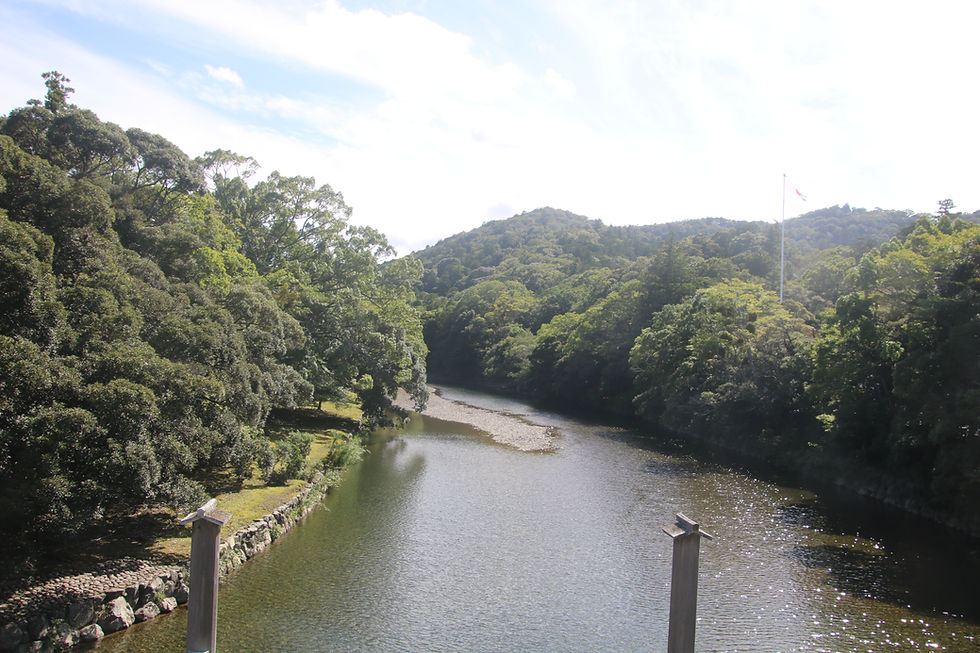
Last August, I visited Ise in Mie Prefecture, Japan, home to the famous Ise Shrine. Since I was already there, I decided to extend my trip to the nearby coastal town of Toba to visit Mikimoto Pearl Island.

It turned out to be one of the most fascinating parts of my trip.
At the museum at Mikimoto Pearl Island, I learned something that immediately caught my attention.
Kokichi Mikimoto lived to the age of 96.
Born in 1858, near the end of Japan's Edo period, he lived through extraordinary changes in Japanese history and passed away in 1954.
What surprised me even more was that his life was far from easy.
He experienced countless business failures and lost his beloved wife, Ume, when he was just 38. He never remarried and remained deeply grateful for her support.
His journey from a small-town noodle shop to creating a globally recognized luxury brand is a fascinating story in itself.
But that's a story for another day.
Today, I want to focus on something else.
How did he manage to live such a long life, despite all the challenges he faced?
Curious, I did some research. And what I discovered was surprisingly simple.
From an Udon Shop to the Pearl King
Before getting into his lifestyle, let me briefly introduce his extraordinary journey.
Kokichi was born into a family that ran an udon noodle shop in Toba.

As a young man, he recognized the business potential of the region's seafood and pearls. He began trading marine products, but eventually became fascinated by one particular treasure of the sea: pearls.
At the time, natural pearls were extremely rare and expensive.
He wondered: What if people could produce pearls instead of relying entirely on nature?
In 1890, he began experimenting with pearl cultivation.
After years of trial and error, he finally succeeded in producing the world's first cultured hemispherical pearls in 1893.
That breakthrough eventually transformed the global pearl industry and earned him the nickname "The Pearl King."
But what interests me most is not just his business success.
It is how he lived.
Four Habits of the Pearl King
After reading about his daily routine and philosophy, I found four habits worth reflecting on.
1. Keep your meals simple
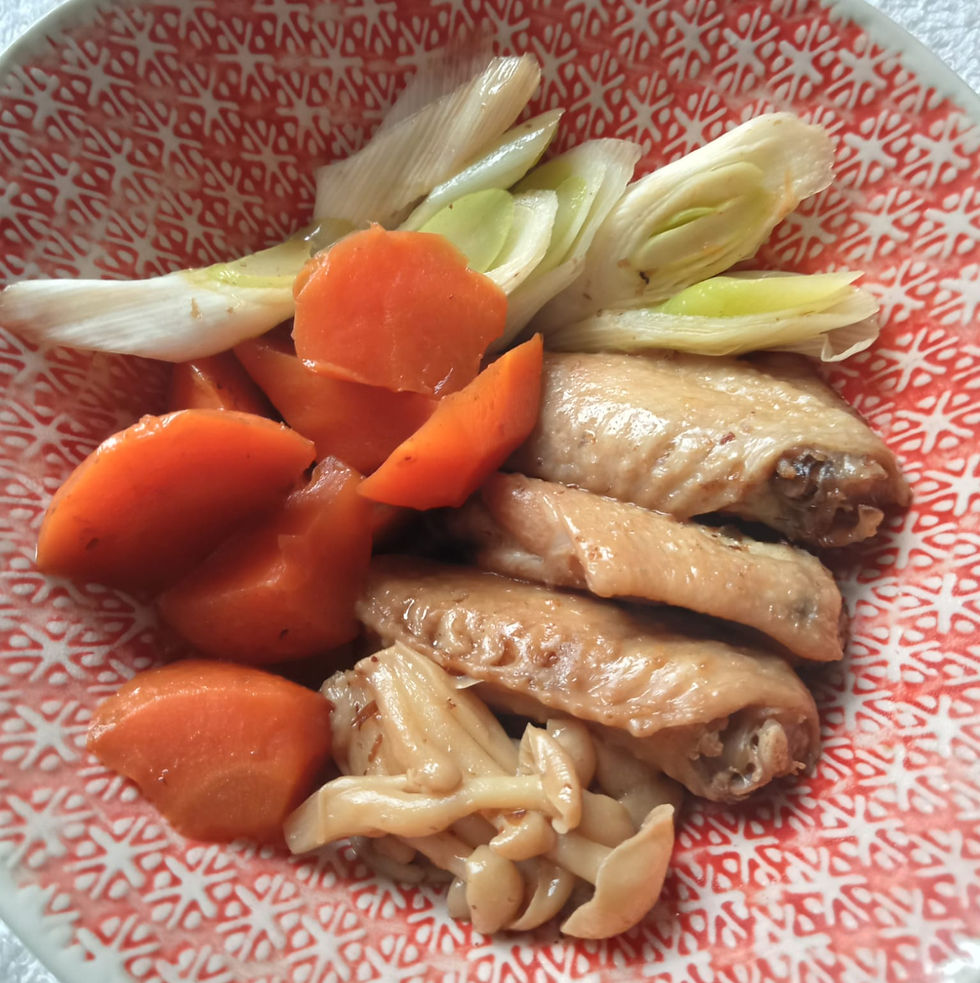
Despite building a successful luxury business, Mikimoto reportedly preferred simple, traditional Japanese meals.
His diet included barley rice, miso soup, vegetables, fish, and eggs.
Nothing particularly fancy.
It reminded me that taking care of our health doesn't necessarily require expensive superfoods or complicated diets.
Sometimes, simple meals can be perfectly satisfying.
2. Stop eating before you're completely full
One of his most memorable eating principles was:
"No matter how delicious the food is, stop eating before you're full."
In Japan, we call this hara hachi bu — eating until you are about 80% full.
Sounds easy, doesn't it?
But think about the last time you had your favorite dessert or enjoyed a delicious dinner.
Did you really stop at 80%?
I have to admit, this is easier said than done!
3. Go to bed early and wake up early
According to accounts of his daily routine, Mikimoto maintained a remarkably consistent sleep schedule.
He reportedly woke up at 5 a.m. and went to bed at 8 p.m.
That's an exceptionally early bedtime by today's standards.
Of course, most of us can't realistically go to bed at 8 p.m.
But what strikes me is the consistency of his routine.
He seemed to understand the importance of taking care of his body, long before sleep tracking apps and smartwatches existed.
4. Have a purpose that keeps you going
Of all his habits, this is the one that impressed me most.
Mikimoto had an extraordinary ambition:
"I want to adorn the necks of all women around the world with pearls."
Imagine having a dream that big.
For him, pearls were not simply a business. They were his life's mission.
Even after achieving great success, he continued working toward his vision.
I wonder whether this strong sense of purpose helped him stay active and motivated throughout his long life.
Research suggests that having a sense of purpose is associated with better health and longevity, although it doesn't prove that purpose alone makes people live longer.
Still, I find this idea powerful.
Perhaps one of the most important things we can do for ourselves is to have something that makes us excited to get up in the morning.
It doesn't have to be building a global business.
It could be learning something new, helping others, spending time with family, or pursuing a personal challenge.
What matters is having something meaningful to live for.
Simple Doesn't Mean Easy
Looking at Mikimoto's habits, I was struck by how ordinary they seem.
Eat simple meals. Don't overeat. Maintain a regular routine. Have a purpose.
There is nothing revolutionary about these ideas.
Yet how many of us actually practice them consistently?
I certainly don't!
We don't always need to discover something new to improve our lives. Sometimes, we simply need to practice what we already know.
And one final question for you:
If you could adopt just one of the Pearl King's four habits, which would you choose?
As for me, I think having a purpose is the most important. But perhaps I should start by not overeating at dinner!
💌 Join Us for More Wisdom
Want to bring more joy, balance, and Japanese-inspired wellness into your life?
Subscribe to our newsletter for monthly insights and practical tips.

Comments