
My Uncle and Aunt Enjoyed Haiku in Their 80s, Enhancing Creativity

My uncle and aunt shared a hobby when they were in their 80s.
They loved creating short poems called haiku (俳句) and tanka (短歌).
When they traveled overseas, they wrote haiku or tanka and exchanged their poems with each other.
Haiku and tanka are both short forms of Japanese poetry with a set sound structure.
A haiku has this pattern:
5 syllables – 7 syllables – 5 syllables
A tanka has this pattern:
5 syllables – 7 syllables – 5 syllables plus 7 syllables – 7 syllables
In addition, haiku has one traditional rule: it includes a seasonal word, or kigo(季語), that reminds us of a particular season.
My Uncle’s Tanka
Here is my uncle’s tanka:

Translation:
I am now over 80 years old,
living each day in health and peace.
I am grateful for all the blessings I receive from every living being.
My aunt created haiku. She wrote her own original poems and added small illustrations to accompany them.
What Are Haiku and Tanka?
In ancient Japan, people had a custom of creating short, impromptu poems and exchanging them with lovers, friends, and others close to them.
Tanka first appeared around the 7th century, and it is still written today.
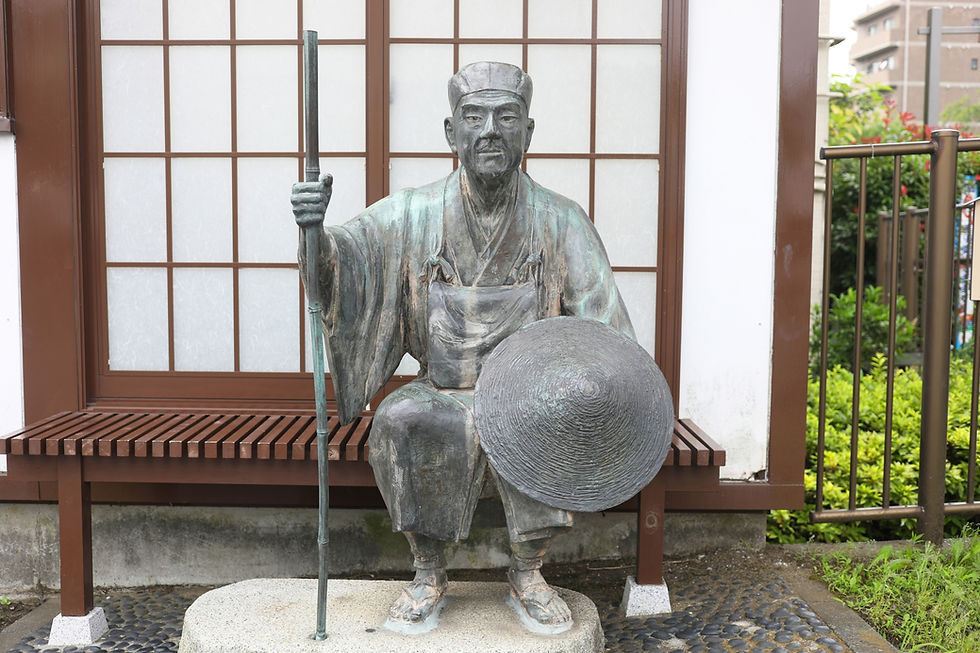
Haiku is even shorter. It was originally created as the opening verse, called hokku, of a longer linked poem. One of the most famous haiku masters is Matsuo Basho (1644–1694). He traveled on foot to many places in Japan, composing a great number of haiku along the way.
Why Is Creating Haiku Good?
Because it is short, but not shallow.
“Short” does not mean easy, but in general, it does not take much time to write.
Even so, it still requires creativity. Writing haiku can be wonderful mental exercise.
It also helps us feel connected to nature and to our emotions, without sounding overly dramatic.
When we write haiku, we pause and notice our connection to nature. We also become more aware of our feelings in that moment.
This can help reduce stress.
How to Create Haiku
Let’s start with the shorter form, haiku.
Of course, the language is different. Japanese syllables are simple and clear, which makes it easier to follow a 5–7–5 or 5–7–5–7–7 pattern.
If you want to follow the traditional form strictly, you can include one word that evokes the season.
However, you can also be free and creative. You can follow the sound structure of your own language.
Don’t judge yourself too harshly.
Haiku is a kind of poem, and the purpose of poetry is to express your authentic self.
If you like, you can share your haiku with friends or family, or post it on social media. But you can also keep it just for yourself.
I sometimes write haiku too, although most of the time I keep them to myself.
But here, I would like to share one I created just now:
常夏の
島に届かぬ
春の風
To ko na tsu no
Shi ma ni to do ka nu
Ha ru no ka ze
Translation: Being on a tropical island — the spring breeze from my hometown cannot reach me here
(Meaning: I miss a fresh spring breeze as I am in Singapore, a tropical island)
This is just a quick example. You can write something like this about anything you like.
The most important thing is to feel nature and feel emotion.
Sounds easy?
💌 Join Us for More Wisdom
Want to bring more joy, balance, and Japanese-inspired wellness into your life?
Subscribe to our newsletter for monthly insights and practical tips.

Comments